Why should I forecast shopper demand?
If you produce or distribute products that your target market buys through retail stores – including e-commerce retail sites – then you want to ensure that your target customers can purchase your product when they want to. Sure, your retailer customers are the immediate purchasers of your products, and you need to ensure that you can meet their demand, but ultimately they are only the pathway to your true target customers – those who will use or consume your products.
If you want to meet the needs of your end-users/consumers you must ensure that your retailer customers meet your needs.
This brings many questions to the fore:
- How are my target customers purchasing my products; at what price points, through which channels, and in which locations?
- Where are my products unavailable and what potential customers am I failing to reach?
- Which of my retailer customers have sufficient stock to meet imminent demand for my products and which need to order more?
- When and where should I invest to expand my presence, with which retailer customers, and to what extent might I invest in price reductions to shape demand?
These questions, and many more, lead back to the four pillars of demand intelligence: creating, sensing, shaping and responding to demand for your products.
Understanding and anticipating demand through forecasting
When you can forecast demand you can compare your most likely future – the forecast – to your goals and targets so that you can act in advance to shape demand. Forecasting helps you respond just ahead of time as you sense shifts in demand:
- As demand increases, when you plan and execute activities that shape demand, such as advertising on social media or attending events, you can prompt retail customers to increase their orders with sufficient time to move stock to appropriate points of purchase;
- When demand slows, through competitive pressures or changes in consumer patterns, you can avoid over-production and over-stocking and use your insight to create demand for new product lines
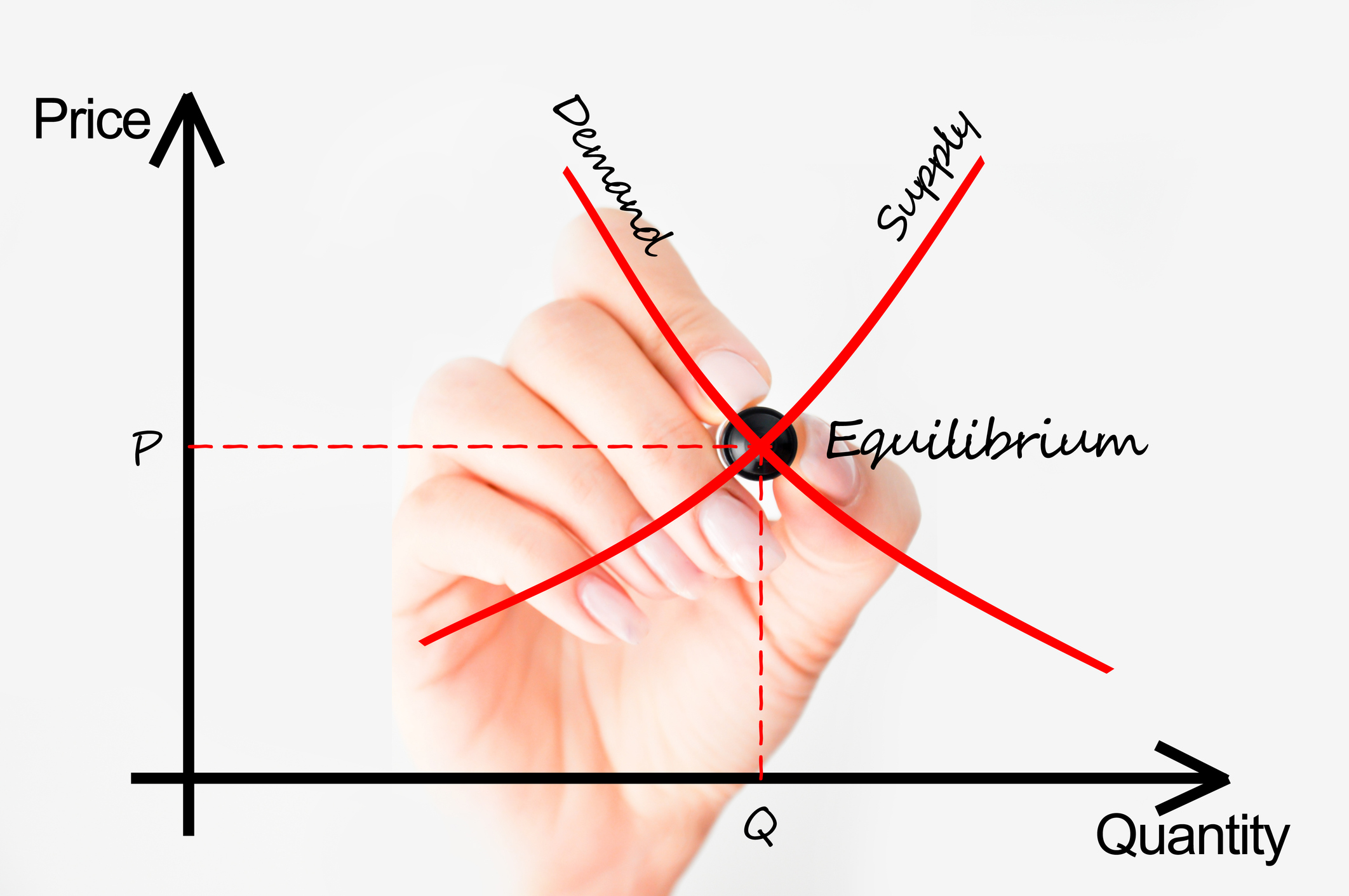
Rapid, regular forecasting helps you to respond quickly to changes in demand and ensure that you balance waste and availability to the best of your ability. Too much supply, for declining demand, will result in over-supply of your products, risking wastage and markdown; too little supply, for increasing demand, will result in out-of-stock incidents that disappoint shoppers and retailer customers, and reduce your growth.

